There is an ancient, quiet truth that whispers to us from the edges of the wild: nature gives us every reason to live a happy life. It does not demand a fee, it requires no prerequisites, and it issues no terms or conditions. It simply stands, vast and unyielding, offering an open invitation to ground ourselves in something greater than our daily routines.
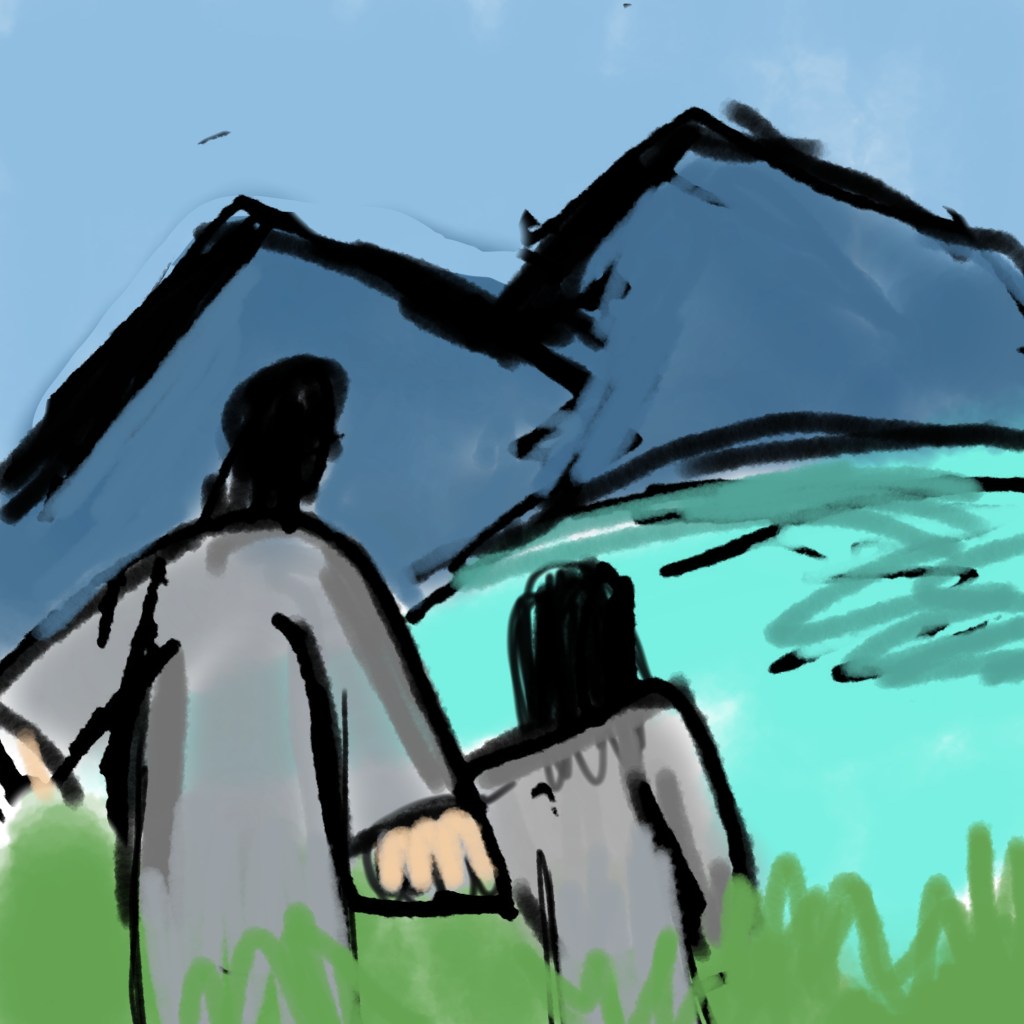
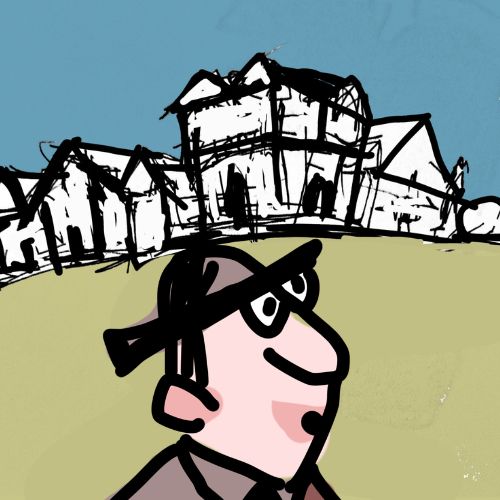
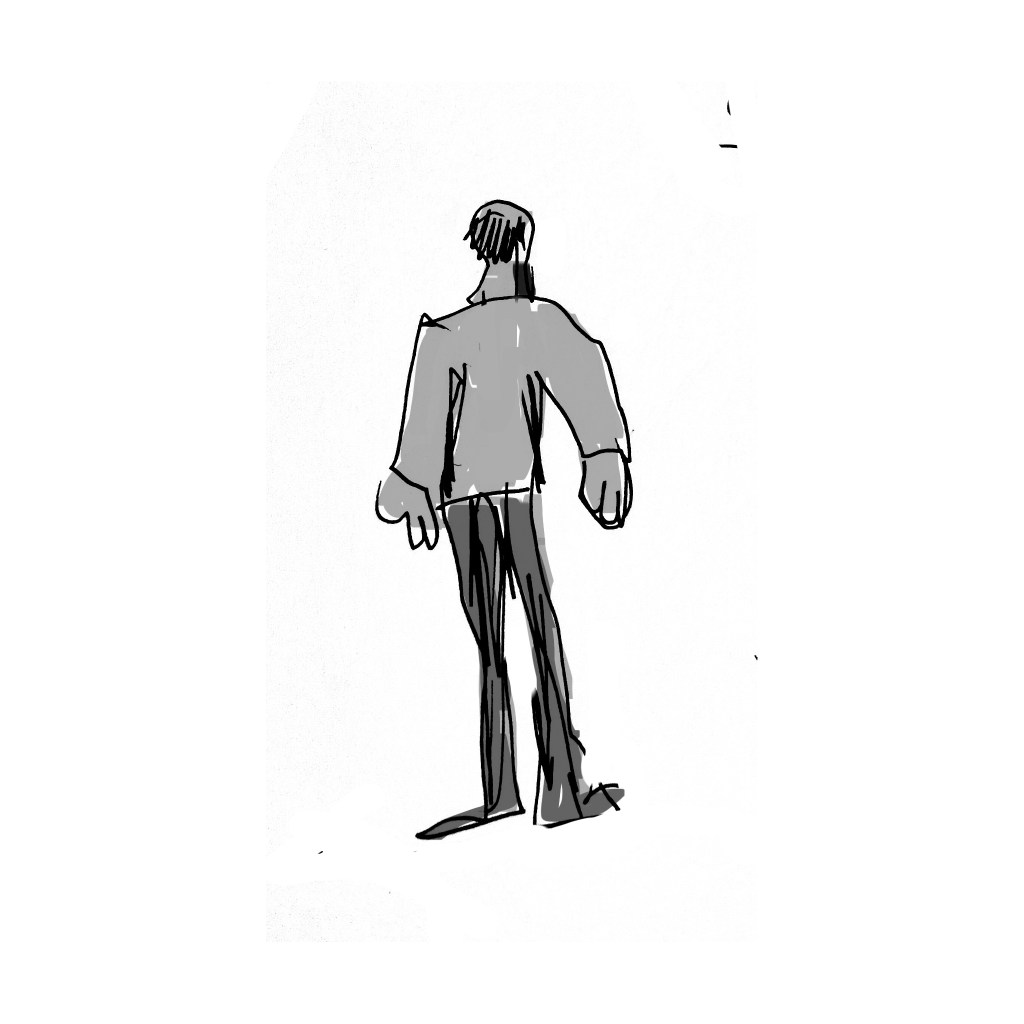
The wind was the only thing that moved in the valley, carrying with it the faint, metallic scent of iron and centuries of silence. Ahead of him sat the crown jewel of the ghost town—a grand, skeletal manor whose jagged rooftops seemed to pierce the empty blue sky.
According to the old maps, this place had once been a bustling hub of life. Now, it was just a collection of sharp angles and hollow windows. The structures looked less like buildings and more like a collective memory frozen in ink, standing defiant against time.
He adjusted his hat against the stark sunlight, a wry, quiet smile touching his lips. There was a peculiar peace out here on the edge of nowhere. Most people avoided the quiet places, terrified of what they might hear when the noise of the world faded away. But to him, the silence wasn’t empty. It was wide open.
“Right then,” he whispered to the stillness, his boots crunching softly on the sun-baked earth. “Let’s see what everyone left behind.”
Freedom of speech is the fundamental principle that individuals should have the liberty to express their opinions and ideas without fear of government retaliation, censorship, or legal sanction. It is often regarded as the bedrock of a democratic society, providing the necessary environment for open debate, the exchange of information, and the pursuit of truth. In many parts of the world, this right is protected by legal frameworks and international treaties. Here are a few core concepts often associated with the value of free expression:
The Marketplace of Ideas: The belief that through free and open discourse, the most robust and truthful ideas will naturally rise to the top while flawed ones are challenged and discarded.
Accountability: Freedom of speech allows citizens and the media to act as a “fourth estate,” questioning those in power and exposing corruption or injustice.
Self-Development: The right to speak and hear various perspectives is considered essential for personal growth, autonomy, and the ability to make informed life choices.
Balancing Rights and Responsibilities
While widely championed, freedom of speech is rarely absolute. Most legal systems recognize certain narrow limitations to prevent harm, such as:
Incitement to violence: Speech that directly encourages immediate lawless action.
Defamation: Making false statements that damage a person’s reputation.
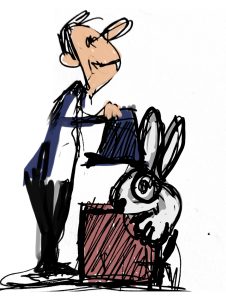
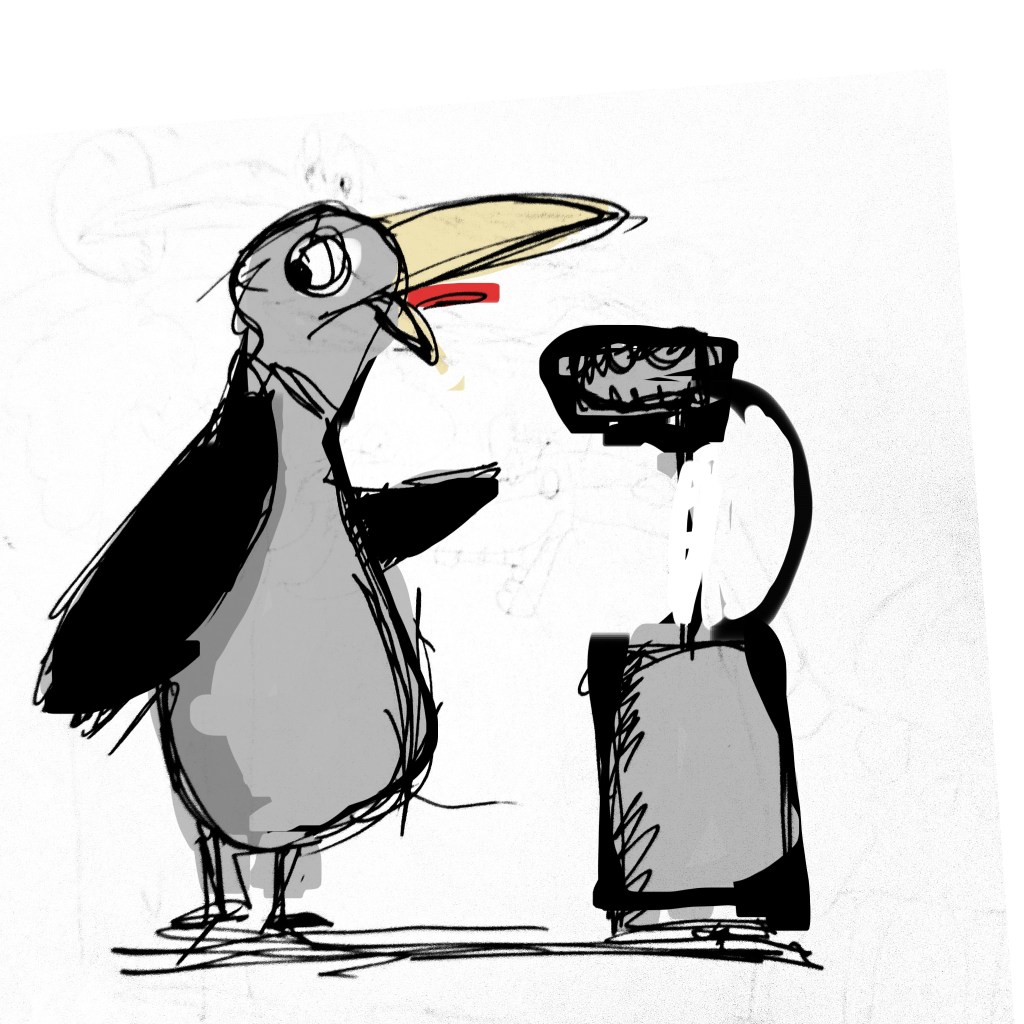
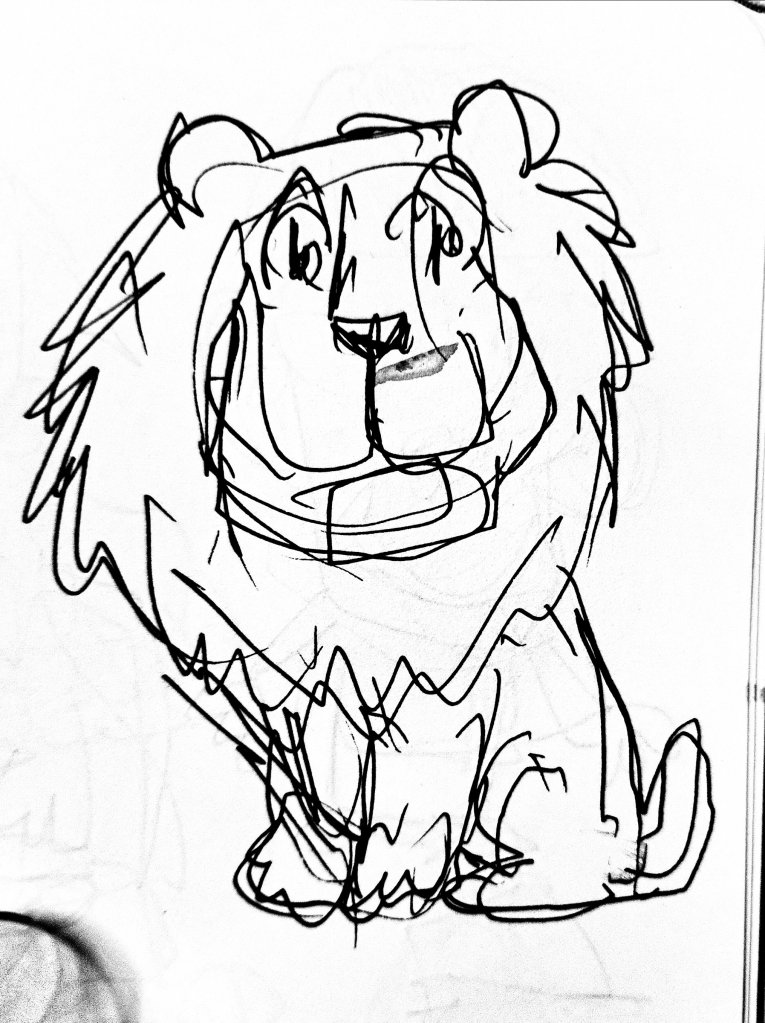
Obscenity: Content that violates specific community standards and lacks serious literary or artistic value. In the digital age, the conversation has shifted toward how this freedom functions on private platforms. As you explored with the expressive sketch in , the act of “finding one’s voice” remains a powerful symbol of individual agency and the collective health of a society.
The Weight of the Quiet: Navigating Solitary Decisions
In life, we eventually encounter a specific kind of silence…
It’s the moment the advice fades, the consultations end, and we are left entirely to ourselves to make a decision. Whether it’s a career pivot, a creative risk, or a personal crossroads, the shift from “we” to “I” can feel both empowering and profoundly heavy. There is a unique solitude in being the final architect of your own path.
The Paradox of Autonomy
Total independence is a form of freedom, but it lacks an anchor. Without someone to bounce ideas off of or a partner to share the potential “blame” for a wrong turn, the stakes feel significantly higher. It’s not just about the choice itself; it’s about the vulnerability of standing behind it alone.
Finding Clarity in the Solitude
When the decision-making process becomes a solo journey, it helps to change how we interact with our own thoughts:
Externalize the Internal: When thoughts loop inside your head, they can become distorted. Try writing your options down or even speaking them out loud. Moving a decision from your mind onto paper forces a level of logic that silent rumination often lacks.
The Morning Light Test: Decisions made in the late-night hours of isolation carry a different emotional charge. Perspective is often clearer after the “system reset” of sleep.
Acknowledge Your Track Record: It is easy to feel unqualified when you are lonely, but you have navigated every challenge of your life up to this point. Your intuition is a tool you’ve been sharpening for years; trust that it has the “data” it needs to guide you.
The Growth in the Silence
While these moments of solitary decision-making are difficult, they are also where our most authentic selves are forged. When no one else is watching or influencing the outcome, the choice you make is purely yours.
Loneliness in leadership—even if it’s just the leadership of your own life—is a heavy burden, but it is also a testament to your capability. You are the only person who truly has to live with your choices, which makes you the most qualified person to make them.
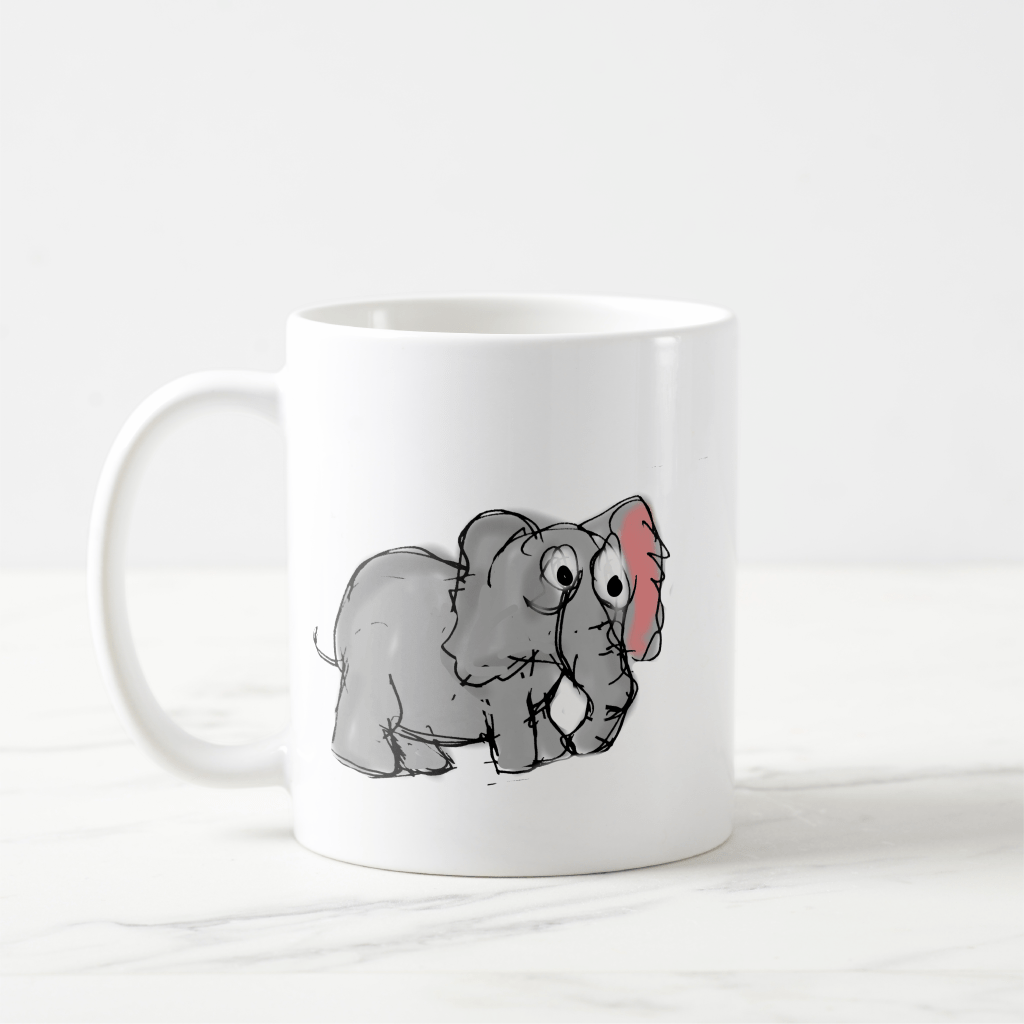
Introduction There is something magical about the simplicity of a sketch. A few lines, a bit of ink, and suddenly a character appears with a personality all its own. Today, I wanted to share the latest addition to the studio—a little elephant that started as a doodle and found its way onto a morning coffee mug.
The Inspiration While working on new animal fables, I found myself sketching in the margins. I wanted to create a character that felt gentle, a bit curious, and perfectly imperfect. This “sketchy” style captures the raw energy of an idea before it becomes a polished book illustration.
I call him our “Whimsical Elephant,” and he’s designed for anyone who finds joy in the little things—like a quiet morning or a warm cup of tea.
From the Sketchbook to Your Desk I’ve recently made this illustration available over at my Zazzle shop. I chose the classic ceramic mug as the first canvas because there’s something special about having a small piece of art to hold while you start your day.
Design: Minimalist ink-style elephant.
Feel: Lighthearted, artistic, and cozy.
Perfect for: Nursery decor, teacher appreciation gifts, or your own home office.